The Best Fluffy Pancakes recipe you will fall in love with. Full of tips and tricks to help you make the best pancakes.
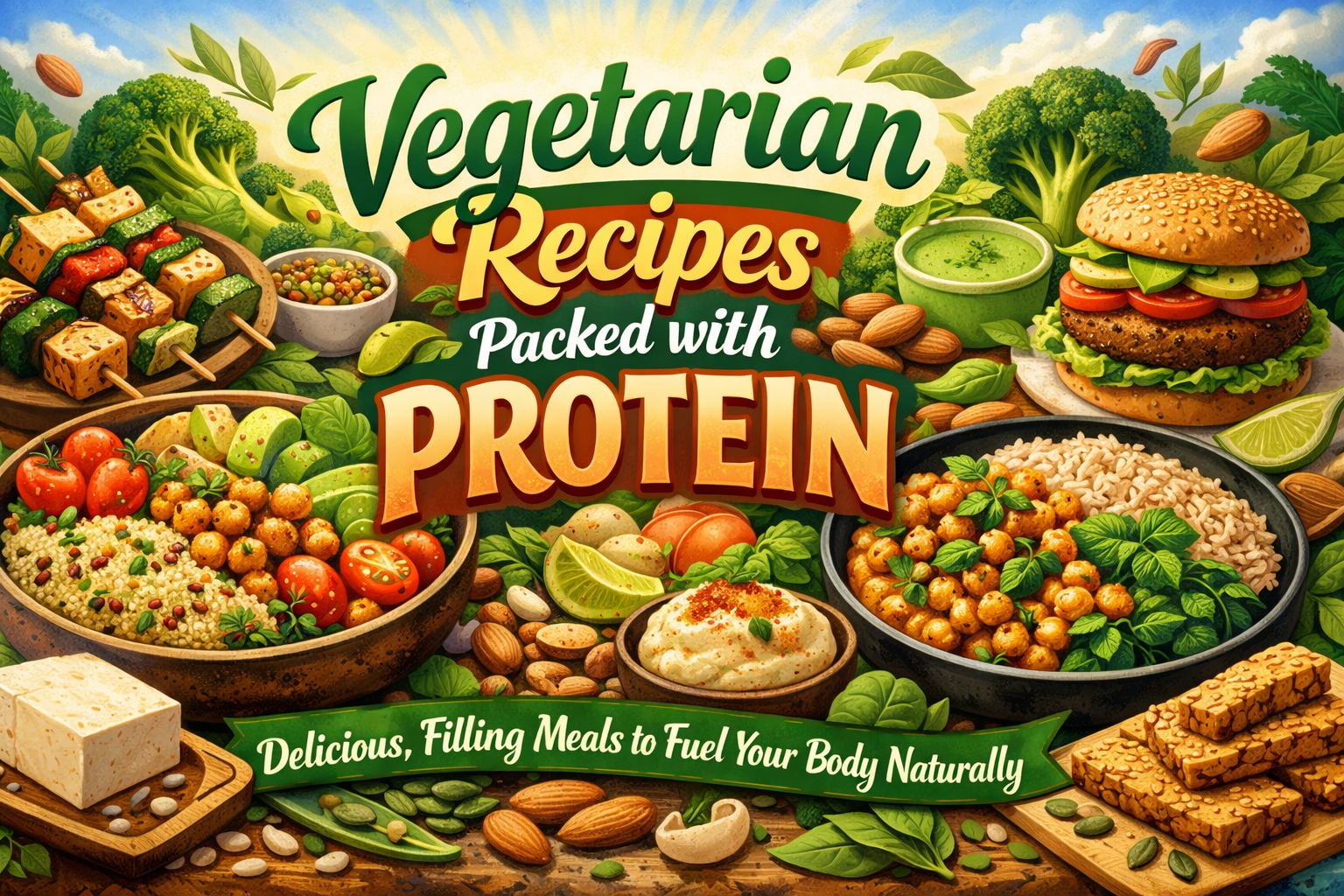

Let me guess. At some point, someone found out you were eating vegetarian — or thinking about it — and their first response was: “But where do you get your protein?”
It’s the question that follows vegetarian eating around like a shadow, and honestly? It’s not an unfair question. Protein is genuinely important. It keeps you full, supports muscle repair, stabilizes blood sugar, and plays a role in basically every function your body performs. The concern isn’t baseless.
What is baseless, though, is the assumption that meat is the only meaningful source of it. Or that eating vegetarian automatically means living in a state of perpetual protein deficiency, feeling tired and hungry all the time, and surviving on salads that do nothing for you by 3 p.m.
That assumption is just wrong. And if it’s been holding you back from exploring vegetarian eating — or if you’re already vegetarian and still feeling like you’re not quite nailing the protein thing — this guide exists specifically to fix that.
Here’s the real picture: there are dozens of plant-based and vegetarian protein sources that are genuinely rich in protein, easy to cook, affordable, and satisfying in a way that goes well beyond the sad iceberg-lettuce-and-chickpea-salad stereotype. When you know what to use and how to use it, high-protein vegetarian meals aren’t a compromise. They’re just dinner. Good dinner, at that.
Let’s get into it.
The Protein Reality Check: How Much Do You Actually Need?
Before we talk about sources and recipes, let’s ground this conversation in actual numbers — because a lot of the anxiety around vegetarian protein comes from vague worry rather than any clear understanding of what the target actually is.
For most adults, the general recommendation sits around 0.8 grams of protein per kilogram of body weight per day as a baseline. So someone weighing 70kg would need around 56 grams of protein daily at minimum. Athletes, people doing regular resistance training, or those trying to build or preserve muscle mass often aim higher — anywhere from 1.2 to 2.0 grams per kilogram.
Now, here’s the important part: none of those numbers are impossible to reach on a vegetarian diet. Not even close. The idea that you need chicken breast and tuna to hit your protein goals is simply outdated.
A single cup of cooked lentils gives you around 18 grams of protein. A cup of chickpeas has roughly 15 grams. Half a cup of cottage cheese delivers about 14 grams. Two eggs give you 12 grams. A cup of edamame has 17 grams. A serving of Greek yogurt can have 17–20 grams depending on the brand. And that’s before we even talk about tofu, tempeh, seitan, or quinoa.
With the right approach, hitting your protein targets eating vegetarian isn’t a challenge. It’s just a matter of knowing which ingredients to reach for and how to build meals around them.
The Best Vegetarian Protein Sources: Your Practical Guide
This is the foundation everything else builds on. Get comfortable with these ingredients and high-protein vegetarian eating becomes almost automatic.
Legumes: The Underrated Heavy Hitters
Lentils, chickpeas, black beans, white beans, kidney beans, edamame — this family of foods is the cornerstone of high-protein vegetarian cooking, and it’s been carrying the nutritional weight of plant-based diets across cultures for literally thousands of years.
What makes legumes particularly valuable isn’t just the protein content — it’s the combination of protein plus fiber, which is a powerful pairing for satiety. Meals built around legumes keep you full for significantly longer than equivalent-calorie meals built around refined carbohydrates, because the fiber slows digestion and the protein maintains blood sugar stability.
Red lentils cook in 20 minutes with no soaking required, which makes them one of the most practical weeknight ingredients in existence. Black beans straight from the can are ready in seconds. Chickpeas roasted in the oven with olive oil and spices become crispy, snackable, high-protein bites. The versatility here is enormous.
One note worth making: legumes are sometimes described as “incomplete proteins” because they don’t contain all nine essential amino acids in optimal ratios on their own. This is technically true but practically less significant than it sounds. As long as you’re eating a varied diet throughout the day — including grains, dairy, eggs, or other protein sources — your body assembles complete amino acid profiles from what it receives over the course of the day. You don’t need to combine specific foods at every meal.
Eggs: The Most Versatile Protein in Your Kitchen
Two large eggs provide around 12 grams of high-quality, complete protein. They also carry fat-soluble vitamins (A, D, E, K), choline for brain health, and are one of the most bioavailable protein sources available — meaning your body actually absorbs and uses a high percentage of what they contain.
Beyond the nutrition, eggs are endlessly adaptable. Scrambled, poached, baked, fried, hard-boiled, turned into frittatas, added to grain bowls, stirred into fried rice, used to bind veggie burgers — eggs do more culinary work than almost any other single ingredient.
Dairy: Greek Yogurt, Cottage Cheese, and Cheese
Full-fat Greek yogurt can deliver 17–20 grams of protein per cup, making it one of the highest-protein foods available in any category. Cottage cheese is similarly impressive — half a cup contains around 14 grams — and is experiencing a well-deserved revival as people rediscover how useful it is both in cooking and as a standalone high-protein snack.
Hard cheeses like parmesan, gruyère, and aged cheddar are concentrated protein sources as well. A 30-gram portion of parmesan provides about 11 grams of protein — and it’s doing double duty as flavor, which means you get nutrition and satisfaction in one.
Tofu, Tempeh, and Edamame: The Soy Family
All three come from soybeans and all three are complete proteins — meaning they contain all nine essential amino acids in adequate amounts.
Tofu gets a bad reputation that it doesn’t deserve, mostly because people cook it wrong. The key is removing moisture before cooking (press it for at least 15 minutes, or use firm and extra-firm varieties) and using high heat. Tofu that’s been properly pressed and then pan-fried until golden is completely different from the soft, watery cubes that give it a bad name.
Tempeh is tofu’s firmer, nuttier, more complex sibling. It’s made from fermented soybeans compressed into a dense block, which gives it a texture that works beautifully when sliced and pan-fried, crumbled into sauces, or marinated and grilled. Per gram, tempeh actually has more protein than tofu — about 19 grams per 100g serving — plus the benefits of fermentation for gut health.
Edamame is just young soybeans, and they’re one of the simplest high-protein snacks available. Steamed, salted, eaten straight from the pod. About 17 grams of protein per cup. Done.
Seitan: The High-Protein Wildcard
Seitan (pronounced “say-tan”) is made from wheat gluten and has a meaty, chewy texture that makes it one of the most satisfying meat substitutes available. It contains roughly 25 grams of protein per 100 grams, making it one of the highest-protein plant-based foods by weight.
Important caveat: seitan is not gluten-free, which makes it unsuitable for people with celiac disease or gluten sensitivity. For everyone else, it’s a genuinely useful ingredient, especially for dishes that benefit from a hearty, chewy texture.
Quinoa: The Grain That’s Actually a Seed
Quinoa occupies a unique place in the plant protein world: it’s technically a seed that behaves like a grain, it cooks like rice, and unlike most other grains, it’s a complete protein. One cup of cooked quinoa provides about 8 grams of protein — not as high as legumes, but significant for a grain-like staple.
It also cooks in 15 minutes, has a mild, nutty flavor that works with almost any cuisine, and can serve as a base for bowls, salads, and side dishes. A reliable pantry staple.
High-Protein Vegetarian Recipes That Actually Satisfy
Here’s where the practical payoff comes in. Each of these recipes is built around maximizing protein without sacrificing flavor, texture, or the kind of satisfaction that makes you feel like you ate a real meal.
Recipe 1 — Spiced Red Lentil Dal with Crispy Onions
Dal is one of the great protein-packed vegetarian dishes of the world, and for good reason — it’s rich, warming, deeply spiced, and filling in a way that surprises people who expect plant-based food to leave them hungry. A generous portion contains somewhere between 18 and 22 grams of protein, depending on serving size.
Ingredients (serves 4):
- 1½ cups red lentils (rinsed)
- 1 can diced tomatoes
- 1 can coconut milk
- 1 large onion (half diced, half thinly sliced for crisping)
- 4 garlic cloves (minced)
- 1 tablespoon fresh ginger (grated)
- 1 teaspoon cumin seeds
- 1 teaspoon turmeric
- 1 teaspoon coriander
- 1 teaspoon garam masala
- ½ teaspoon chili flakes
- 3 cups vegetable broth
- Juice of 1 lemon
- Fresh cilantro
- Oil, salt, pepper
How to make it: Heat oil in a large pot. Fry the cumin seeds for 30 seconds until fragrant — you’ll hear them pop. Add the diced onion and cook over medium heat until golden, about 10 minutes. Add garlic, ginger, and all the ground spices. Stir for 1 minute until the spices bloom and smell incredible. Add lentils, tomatoes, coconut milk, and broth. Bring to a boil, reduce heat, and simmer 25 minutes until lentils are completely soft and beginning to dissolve. Meanwhile, fry the sliced onion in a separate pan with plenty of oil over high heat until deeply caramelized and crispy — this takes patience, but it’s worth it. Finish the dal with lemon juice and salt. Serve over rice topped with crispy onions and fresh cilantro.
The crispy onions are not optional. They add texture, sweetness, and a kind of richness that elevates this from “very good lentil soup” to something genuinely special.
Recipe 2 — Greek Yogurt Marinated Tofu Bowls
This recipe solves the tofu texture problem definitively. Marinating in Greek yogurt — which acts as a tenderizer and clings to the surface — then pan-frying until golden gives you tofu with a savory, slightly tangy crust and a creamy interior. Served over grains with vegetables and a tahini dressing, this bowl provides around 30 grams of protein per serving.
Ingredients (serves 2):
- 400g extra-firm tofu (pressed for at least 20 minutes)
- ½ cup full-fat Greek yogurt
- 2 garlic cloves (minced)
- 1 teaspoon smoked paprika
- 1 teaspoon cumin
- Juice of half a lemon
- Salt, pepper
- 1 cup cooked quinoa or brown rice (per serving)
- Roasted vegetables of your choice (bell peppers, zucchini, cherry tomatoes all work beautifully)
- For the tahini dressing: 3 tablespoons tahini, juice of 1 lemon, 1 garlic clove, water to thin, salt
How to make it: Cut pressed tofu into cubes or slabs. Mix yogurt, garlic, paprika, cumin, lemon, salt, and pepper. Coat the tofu thoroughly and marinate at least 30 minutes — overnight is even better. Pan-fry in oil over medium-high heat until golden on each side — about 4 minutes per side. Build the bowls: grains on the bottom, roasted vegetables, tofu on top. Drizzle with tahini dressing.
The yogurt marinade is the technique to remember here. It works on vegetables too — cauliflower marinated this way and then roasted is extraordinary.
Recipe 3 — Black Bean and Sweet Potato Tacos with Cottage Cheese Crema
Tacos are one of those meals that feel indulgent and casual at the same time, and this version packs a serious protein punch without any meat in sight. The cottage cheese crema sounds unusual but tastes like a milder, creamier version of sour cream — and adds 10–12 extra grams of protein per serving.
Ingredients (serves 3–4):
- 2 cans black beans (drained and rinsed)
- 2 medium sweet potatoes (cubed and roasted)
- Corn tortillas
- 1 teaspoon cumin, 1 teaspoon smoked paprika, ½ teaspoon chili powder
- For the crema: ½ cup full-fat cottage cheese, juice of 1 lime, 1 small garlic clove, pinch of salt — blended until smooth
- Toppings: shredded cabbage, sliced avocado, fresh cilantro, pickled red onion, lime wedges
How to make it: Toss sweet potato cubes in olive oil and spices, roast at 200°C for 25 minutes until caramelized. Heat black beans in a pan with the same spices and a splash of water, mashing slightly. Blend the crema ingredients until completely smooth — it should look and taste remarkably like sour cream. Warm tortillas directly over a gas flame or in a dry pan. Build tacos: beans, sweet potato, cabbage, crema, avocado, cilantro, and lime.
A note about the blended cottage cheese crema: once you realize how well it works as a sour cream substitute, you’ll start using it everywhere. On baked potatoes, in dips, drizzled over soups. It’s a quietly brilliant trick.
Recipe 4 — Tempeh Stir-Fry with Ginger-Sesame Sauce
Tempeh’s firm, slightly nutty texture makes it ideal for stir-frying. It holds its shape, develops a satisfying crust in a hot pan, and absorbs marinades and sauces without falling apart. This stir-fry delivers somewhere around 28–32 grams of protein per serving — legitimately impressive for a meatless meal.
Ingredients (serves 2):
- 250g tempeh (sliced into thin strips)
- 2 cups broccoli florets
- 1 red bell pepper (sliced)
- 1 cup edamame (shelled, frozen is fine)
- 3 garlic cloves (minced)
- 1 tablespoon fresh ginger (grated)
- For the sauce: 3 tablespoons soy sauce or tamari, 1 tablespoon sesame oil, 1 tablespoon rice vinegar, 1 teaspoon honey or maple syrup, 1 teaspoon sriracha (optional), 1 teaspoon cornstarch mixed with 2 tablespoons water
- Sesame seeds and green onions to serve
- Rice or noodles to serve
How to make it: Mix the sauce ingredients together and set aside. Pan-fry tempeh strips in a hot pan with oil until golden and slightly crispy on both sides — about 3 minutes per side. Remove and set aside. In the same pan, stir-fry garlic and ginger for 30 seconds, then add the broccoli and bell pepper over high heat for 3–4 minutes until just tender with a little char. Add edamame and tempeh back to the pan. Pour in the sauce, toss everything together, and cook 1–2 minutes until the sauce thickens and coats everything. Serve over rice with sesame seeds and green onions.
The edamame is doing real protein work here alongside the tempeh — don’t leave it out.
Recipe 5 — Cottage Cheese Egg White Scramble with Herbs
This breakfast delivers somewhere around 30 grams of protein in a single bowl, which is exceptional for any morning meal. The cottage cheese stirred into the eggs as they cook makes them extraordinarily creamy — creamier than any amount of butter or cream could produce — while adding a significant protein boost.
Ingredients (serves 1–2):
- 3 whole eggs + 2 egg whites
- ⅓ cup full-fat cottage cheese
- 1 tablespoon butter
- Fresh chives and dill (or any fresh herbs you enjoy)
- Cherry tomatoes (halved)
- Salt, pepper
- Whole grain toast to serve
How to make it: Whisk the eggs and egg whites together. Melt butter in a non-stick pan over medium-low heat — lower than you think you need. Add the eggs and stir slowly and constantly with a spatula, scraping the bottom of the pan. When the eggs are about 80% cooked but still very soft, stir in the cottage cheese and continue cooking for another 30 seconds. Remove from heat — the residual heat finishes the cooking. Fold in the herbs. Serve with cherry tomatoes and toast.
The technique matters enormously here. Eggs scrambled too fast over high heat become rubbery and dry. Low and slow, stirring constantly, produces the creamiest result — and the cottage cheese takes that texture even further.
Recipe 6 — Lentil and Mushroom “Bolognese”
This is the high-protein vegetarian recipe that genuinely surprises meat eaters. The combination of lentils and finely chopped mushrooms produces a sauce with a meaty texture and depth of flavor that holds up beautifully against pasta. A serving over pasta provides around 20–24 grams of protein.
Ingredients (serves 4–6):
- 1 cup green or brown lentils (not red — they need to hold their shape here)
- 400g mushrooms (any kind — cremini or portobello for the best depth)
- 1 can crushed tomatoes
- 1 onion (finely diced)
- 2 carrots (finely diced)
- 2 celery stalks (finely diced)
- 5 garlic cloves (minced)
- 2 tablespoons tomato paste
- ½ cup red wine (or extra broth if you prefer)
- 2 cups vegetable broth
- 1 teaspoon dried thyme, 1 bay leaf, 1 teaspoon dried oregano
- Parmesan or nutritional yeast to serve
- Pasta of your choice
How to make it: The secret to this sauce is treating the mushrooms right. Chop them very finely — almost to a mince — and cook them in a hot, dry pan (no oil) until they release all their moisture and that moisture evaporates, leaving them concentrated and slightly browned. This step develops a savory depth that you can’t shortcut. Then add oil, sauté the onion, carrot, and celery until soft. Add garlic and tomato paste, cook 2 minutes. Add mushrooms back in, then the wine and let it reduce. Add lentils, tomatoes, broth, and herbs. Simmer 30–40 minutes until lentils are tender and the sauce has thickened. Serve over pasta with parmesan.
Make a double batch. This sauce is even better on day two and freezes perfectly.
Recipe 7 — Chickpea and Spinach Shakshuka with Feta
The classic shakshuka — eggs poached in spiced tomato sauce — is already a high-protein meal. This version adds chickpeas for extra protein and fiber, and crumbled feta for richness and saltiness. A generous serving provides 22–26 grams of protein.
Ingredients (serves 2–3):
- 6 large eggs
- 1 can chickpeas (drained and rinsed)
- 1 can crushed tomatoes
- 2 cups fresh or frozen spinach
- 1 onion (diced)
- 4 garlic cloves (sliced)
- 1 red chili (sliced) or ½ teaspoon chili flakes
- 1 teaspoon cumin, 1 teaspoon smoked paprika, ½ teaspoon coriander
- 100g feta cheese (crumbled)
- Fresh parsley
- Olive oil, salt, pepper
- Crusty bread to serve
How to make it: Sauté onion in olive oil until golden — about 8 minutes. Add garlic, chili, and spices, stir 1 minute until fragrant. Add crushed tomatoes and chickpeas. Simmer 15 minutes until the sauce thickens and the chickpeas absorb the surrounding flavor. Stir in spinach until wilted. Taste the sauce — it should be well-seasoned and bold before the eggs go in. Make 6 wells, crack an egg into each, scatter feta over the top, cover, and cook 5–7 minutes until whites are set and yolks are still runny. Scatter parsley and serve directly from the pan.
The chickpeas do double work here: they add protein and also help thicken the sauce as they cook, mashing slightly against the pan and releasing starch. Don’t skip them.
Recipe 8 — Quinoa Power Bowl with Roasted Vegetables and Edamame
Bowl meals are one of the best formats for high-protein vegetarian eating because you can layer multiple protein sources in a single serving without it feeling forced or repetitive. This bowl — quinoa, edamame, chickpeas, and a tahini dressing — contains 28–33 grams of protein depending on toppings, while tasting like something you’d pay serious money for at a trendy lunch spot.
Ingredients (serves 2):
- 1 cup cooked quinoa (per bowl)
- 1 cup shelled edamame (frozen, thawed)
- ½ cup canned chickpeas (roasted with olive oil and smoked paprika until crispy — 25 minutes at 200°C)
- Roasted vegetables: whatever you have (broccoli, sweet potato, zucchini, beets, carrots — all excellent)
- A handful of baby spinach or arugula
- 1 avocado (sliced)
- For the tahini dressing: 4 tablespoons tahini, juice of 1 lemon, 1 small garlic clove (grated), 3–4 tablespoons warm water to thin, salt, pepper
- Optional extras: pickled red onion, seeds, microgreens, a soft-boiled egg
How to make it: Roast the chickpeas and vegetables together on a sheet pan. Cook the quinoa in seasoned broth. Whisk the dressing — start with the tahini and lemon, then add water gradually until it reaches a pourable consistency. Assemble: quinoa base, greens, roasted vegetables, edamame, crispy chickpeas, avocado. Drizzle generously with dressing.
The crispy chickpeas are the most important element here — they add crunch, protein, and a satisfying snackability that transforms the bowl from a pile of nutritious ingredients into something genuinely craveable.
Practical Tips for High-Protein Vegetarian Eating
Knowing the ingredients and recipes is one thing. Building sustainable habits around them is another. Here’s what actually makes a difference in day-to-day practice.
Anchor every meal to a protein source. This is the simplest mental shift. Before you decide anything else about a meal, decide which protein it’s built around. Lentils? Tofu? Eggs? Cottage cheese? Everything else — the grains, the vegetables, the sauce — builds around that anchor. It sounds mechanical but it quickly becomes intuitive.
Double your legumes. If a recipe calls for one can of chickpeas, use two. The calories barely change, the protein roughly doubles, and the meal becomes significantly more filling. For beans, lentils, and chickpeas, this is almost always a worthwhile adjustment.
Greek yogurt is your secret weapon. Use it as a base for dressings and dips. Stir it into curries and soups at the end (off the heat — it can curdle if boiled). Use it as a marinade base. Use it as a sour cream substitute. Every time Greek yogurt replaces something else, you’re adding 15–20 grams of protein without adding much else.
Snack with purpose. The gaps between meals are where protein targets often slip. High-protein vegetarian snacks that actually satisfy: edamame with salt, hard-boiled eggs, Greek yogurt with berries, cottage cheese with cucumber and everything bagel seasoning, a handful of roasted chickpeas, a small block of cheese with apple slices. Keep these ready and reachable.
Batch cook your proteins. Lentils cooked in a big batch last five days in the fridge. Boiled eggs last a week. Roasted chickpeas last several days in an airtight container. Having these ready means high-protein additions to any meal take zero extra effort.
Learn to love the mix. The most protein-rich vegetarian meals aren’t usually built around a single source — they stack multiple sources in one dish. Quinoa plus edamame plus cottage cheese dressing. Lentils plus eggs plus yogurt sauce. Each source contributes and the total adds up quickly.
A Sample Day of High-Protein Vegetarian Eating
Let me make this concrete. Here’s what a realistic high-protein vegetarian day might look like — without obsessive planning, without weird ingredients, and with food that actually sounds appealing.
Breakfast: Cottage cheese egg scramble with fresh herbs and whole grain toast. Total protein: approximately 30g.
Mid-morning snack: A small container of full-fat Greek yogurt with a handful of mixed berries and a sprinkle of hemp seeds. Total protein: approximately 18g.
Lunch: A quinoa bowl with crispy chickpeas, roasted vegetables, baby spinach, half an avocado, and tahini dressing. Total protein: approximately 25g.
Afternoon snack: A cup of edamame with sea salt. Total protein: approximately 17g.
Dinner: A bowl of spiced red lentil dal over basmati rice with a dollop of yogurt on top. Total protein: approximately 22g.
Day total: approximately 112g of protein — well above the recommended daily amount for most adults, and achieved entirely without meat, fish, or protein powders.
That’s not an extreme example. It’s just a regular day of eating that prioritizes the right ingredients.
Who This Approach Makes Sense For
High-protein vegetarian eating works well for a wide range of people — but it’s worth being honest about who it suits most.
It makes particular sense for people who are vegetarian or curious about reducing meat consumption but have been worried about protein. For athletes or active people who want to explore plant-based eating without compromising recovery or performance. For anyone trying to eat more sustainably without feeling nutritionally depleted. And for people who simply want more variety in their protein sources — there’s real value in not eating the same chicken breast every night.
It’s worth noting that vegetarian high-protein eating does require more conscious planning than omnivore eating — at least initially, until the habits become automatic. You can’t just eat any random vegetarian meal and assume the protein is covered. You need to know which ingredients carry the protein load and build meals around them deliberately.
But “requires some thought” is a long way from “difficult.” And once the thinking becomes habit, it’s no more complicated than any other approach to eating well.
Conclusion: Protein Was Never the Problem — Planning Was
Here’s the honest takeaway from everything in this guide: vegetarian eating and high protein intake are entirely compatible. The gap between them isn’t about ingredient limitations — it’s about knowledge and planning.
Lentils, chickpeas, black beans, tofu, tempeh, edamame, eggs, Greek yogurt, cottage cheese, quinoa — these are genuinely rich protein sources that also happen to be affordable, widely available, and versatile in ways that make cooking with them genuinely enjoyable.
The recipes in this guide — dal, tofu bowls, black bean tacos, tempeh stir-fry, cottage cheese scrambles, lentil bolognese, shakshuka, quinoa power bowls — aren’t compromise meals. They’re real food that tastes good, fills you up, gives you sustained energy, and happens not to contain meat.
Start with whichever one appeals to you most this week. Notice how you feel at the end of the day — your energy levels, how satisfied you actually were after each meal, whether you reached for snacks more or less than usual. Give it two weeks of genuine effort and I think you’ll find that the protein concern that follows vegetarian eating everywhere turns out to be a solved problem. One that’s delicious to solve, at that.
Tell me in the comments: are you already eating vegetarian and just trying to get the protein piece right, or is this more of an exploratory thing for you? And if there’s a specific vegetarian protein challenge you’re dealing with — meal prepping, eating enough protein at breakfast, feeding a family with mixed preferences — drop it below. Those are exactly the kinds of real, specific questions that shape what gets written next.