The Best Fluffy Pancakes recipe you will fall in love with. Full of tips and tricks to help you make the best pancakes.
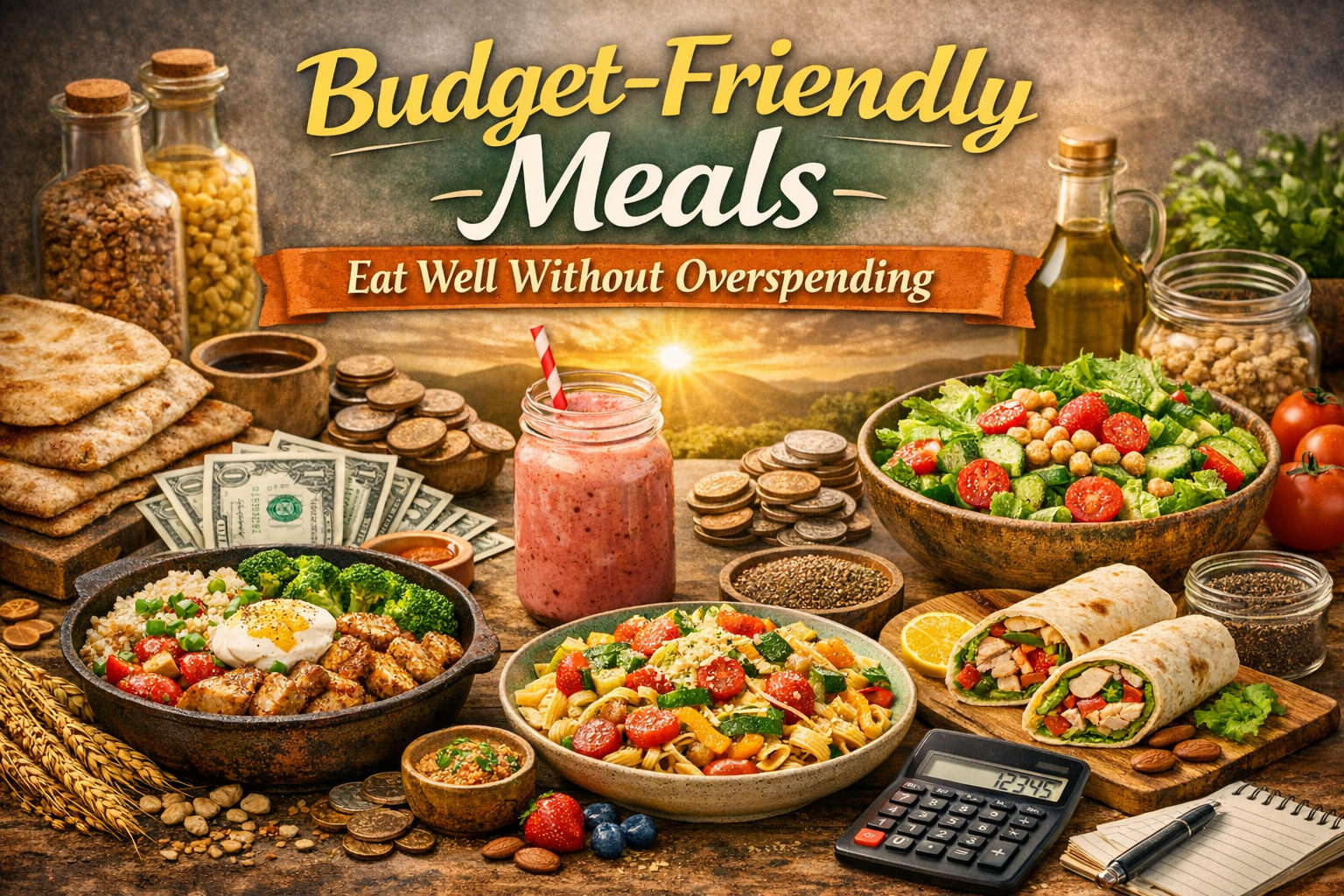

Let’s talk about something most healthy eating advice completely ignores: money. Because sure, eating grilled salmon with quinoa and organic kale every night sounds great in theory — but for most of us, that’s just not real life. Groceries are expensive. Time is short. And “eating healthy on a budget” can start to feel like a contradiction in terms.
But here’s the thing — it really isn’t. You don’t need a huge grocery budget to eat food that’s both good for you and genuinely delicious. What you need is a smarter approach to what you buy, how you cook it, and how you think about meals in general.
I’ve been down this road myself, trying to eat well during tight months when every dollar counted. And what I found surprised me: some of the cheapest ingredients on the planet are also among the most nutritious. The problem isn’t the food. The problem is that nobody really teaches us how to use it well.
So that’s exactly what we’re going to do today. I’m sharing 10 budget-friendly meals that are satisfying, nutritious, and — most importantly — things you’ll actually want to eat. No suffering required.
Why Budget-Friendly Eating Deserves More Respect
Before we get to the recipes, let’s clear something up. There’s a weird cultural assumption that cheap food equals bad food. That if you’re eating affordable meals, you’re somehow settling. And honestly? That’s just not true.
Some of the most nutrient-dense foods available — beans, lentils, eggs, oats, sweet potatoes, canned fish, frozen vegetables — are also among the most affordable. The issue is that we’ve been sold this idea that health food has to come in a fancy package with a premium price tag. It doesn’t.
Budget-friendly meals, when done right, can be:
- High in protein and fiber
- Rich in vitamins and minerals
- Genuinely filling and satisfying
- Varied enough to keep you from getting bored
And here’s a point worth sitting with: cooking affordable food at home is almost always healthier than ordering takeout or grabbing convenience food. Even a “cheap” fast food meal often costs more than a homemade budget dish — and packs far more sodium, saturated fat, and empty calories.
So let’s stop treating budget cooking as a compromise and start seeing it for what it really is: smart eating.
The Building Blocks of Affordable, Nutritious Meals
Before jumping into the recipes, it helps to know which ingredients give you the most bang for your buck. These are the pantry staples that show up again and again in budget-friendly cooking — and for good reason.
Proteins That Won’t Break the Bank
- Eggs — One of the best protein sources on the planet, incredibly versatile, and almost universally affordable.
- Canned tuna and sardines — Cheap, high in omega-3s, and ready to eat. Seriously underrated.
- Dried or canned beans and lentils — A complete protein when paired with grains, and extremely filling. Red lentils in particular cook fast and taste great in almost anything.
- Chicken thighs — Far cheaper than breasts, and actually more flavorful. Don’t sleep on them.
- Cottage cheese — High protein, low cost, works in savory and sweet dishes.
Carbohydrates That Actually Do Their Job
- Oats — Cheap, filling, versatile, and genuinely good for you.
- Brown rice and white rice — Both solid choices. White rice is more affordable; brown rice has more fiber.
- Sweet potatoes — Packed with vitamins A and C, filling, and usually very reasonably priced.
- Whole grain bread — A solid, affordable base for countless easy meals.
- Pasta — Humble, satisfying, and endlessly adaptable.
Vegetables and Flavor on a Budget
- Frozen vegetables — Just as nutritious as fresh (sometimes more so, since they’re frozen at peak ripeness). A bag of frozen spinach, broccoli, or mixed veggies is one of the smartest buys at any grocery store.
- Onions, garlic, and carrots — The holy trinity of cheap flavor. These three ingredients alone can make almost anything taste good.
- Canned tomatoes — The backbone of soups, stews, sauces, and countless other dishes.
- Cabbage — Shockingly cheap, keeps for a long time, and works in slaws, stir-fries, soups, and more.
- Bananas — One of the cheapest fruits available, and a solid source of quick energy.
Now that we’ve got the pantry sorted, let’s get into the meals themselves.
10 Budget-Friendly Meals to Eat Well Without Overspending
Meal 1 — Red Lentil Soup
This is the kind of meal that makes you wonder why you ever spent money on delivery. Red lentil soup is thick, warming, and incredibly satisfying — and it costs almost nothing to make.
What you need: Red lentils, onion, garlic, canned tomatoes, cumin, paprika, vegetable broth (or just water with a bouillon cube), and a drizzle of olive oil.
Sauté the onion and garlic with the spices, add the lentils and tomatoes, pour in the broth, and let it simmer for about 25 minutes until everything breaks down into a creamy, rich soup. Squeeze a bit of lemon on top if you have it. Serve with bread.
It’s filling, high in protein and fiber, and the whole pot costs less than a single takeout meal. Make a big batch on Sunday and you’re covered for several lunches during the week.
Meal 2 — Egg Fried Rice
This is a weeknight hero. Got leftover rice? A couple of eggs? A bag of frozen peas and carrots? You’ve got dinner.
What you need: Cooked rice (day-old works best), 2–3 eggs, frozen mixed vegetables, soy sauce, garlic, a bit of sesame oil if you have it.
Heat a pan with a little oil, scramble the eggs, toss in the rice and vegetables, add a splash of soy sauce, and stir everything together until hot and slightly crispy. That’s it. Done in under 15 minutes.
This is one of those budget-friendly meals that genuinely tastes like something you’d order at a restaurant — and you’d pay good money for it there.
Meal 3 — Black Bean Tacos
Tacos don’t require expensive meat to be amazing. Black beans seasoned well are honestly one of the best taco fillings out there, and they’re loaded with protein and fiber.
What you need: Canned black beans, corn tortillas, cumin, garlic powder, chili flakes, cabbage (shredded), lime, and whatever toppings you enjoy — salsa, sour cream, cheese, avocado if it’s in the budget.
Drain and rinse the beans, heat them in a pan with the spices and a splash of water, mash them slightly, and load them into warm tortillas. Top with crunchy cabbage and a squeeze of lime.
This meal costs practically nothing per serving and satisfies in a way that’s hard to explain until you try it. The lime and cabbage really are non-negotiable — they make the whole thing come alive.
Meal 4 — Oatmeal Done Right (Not the Boring Kind)
Okay, hear me out. I know oatmeal has a reputation for being the most boring food in existence. But that’s a seasoning problem, not an oatmeal problem.
What you need: Rolled oats, milk or water, a banana, peanut or almond butter, cinnamon, a drizzle of honey.
Cook the oats in milk for extra creaminess, slice the banana on top, add a big spoonful of peanut butter, sprinkle cinnamon, and drizzle a little honey. This is basically dessert for breakfast — except it’s high in protein, fiber, and healthy fats, and it keeps you full for hours.
Budget-friendly? Absolutely. One of the best breakfasts you can eat? Also yes.
Meal 5 — Pasta with White Beans and Spinach
This dish looks and tastes like something from an Italian trattoria, and it costs almost nothing to make. The beans do double duty here — they add protein and create a creamy, starchy sauce when slightly mashed.
What you need: Pasta (any short shape works well), canned white beans, frozen spinach, garlic, olive oil, canned or fresh tomatoes, salt, pepper, and parmesan if you have it.
Cook the pasta, sauté garlic in olive oil, add the tomatoes and beans, throw in the spinach, and toss everything together with a splash of pasta water to create a silky sauce. Top with parmesan if you can.
This is a complete meal — protein, carbs, greens — in one bowl. And it takes about 20 minutes from start to finish.
Meal 6 — Sweet Potato and Chickpea Curry
Curry might sound complicated, but it really isn’t. This one is made with pantry staples and takes about 30 minutes.
What you need: Sweet potatoes, canned chickpeas, canned coconut milk (even the cheaper versions work fine), canned tomatoes, onion, garlic, fresh or powdered ginger, curry powder, salt.
Sauté the onion, garlic, and ginger, add the curry powder and let it bloom for a minute, then add the sweet potatoes, chickpeas, tomatoes, and coconut milk. Let it simmer until the sweet potatoes are tender — about 20 minutes. Serve over rice.
This meal is rich, warming, and genuinely comforting. It also reheats beautifully, so it’s perfect for meal prep. And here’s a fun fact — sweet potatoes and chickpeas together give you a pretty impressive nutritional profile for the price you’re paying.
Meal 7 — Tuna and White Bean Salad
This one is for days when you want something quick, light, and no-cook. It’s also one of those budget-friendly meals that’s surprisingly elegant for how little effort it takes.
What you need: Canned tuna (in olive oil if possible — better flavor), canned white beans, red onion (or any onion), parsley or any fresh herb you have, lemon juice, olive oil, salt, pepper.
Drain and mix everything together. That’s genuinely it. Eat it on toast, in a wrap, over greens, or just straight from the bowl.
The combination of tuna and white beans gives you an impressive amount of protein in a single serving, and the whole thing comes together in about 5 minutes. For busy days, this is one of the most useful meals in your arsenal.
Meal 8 — Homemade Vegetable Soup
There’s a reason vegetable soup has been feeding families for centuries — it’s cheap, filling, endlessly adaptable, and genuinely good for you.
What you need: Whatever vegetables you have on hand (carrots, celery, onion, potato, zucchini, cabbage, frozen peas — anything goes), canned tomatoes, vegetable or chicken broth, garlic, herbs, salt, pepper.
Sauté the aromatics, add everything else, and simmer for 20–30 minutes. That’s the whole recipe. You can add pasta or rice to make it more substantial, or serve it with crusty bread.
The beauty of vegetable soup is that it’s a great way to use up anything that’s been sitting in the fridge. Which is also great for reducing food waste — another form of budget-friendly eating that tends to get overlooked.
Meal 9 — Savory Scrambled Eggs with Toast
This might seem too simple to include in a proper list, but honestly? A well-made scrambled egg situation is one of the most reliable, nutritious, affordable meals you can put on the table at any time of day.
What you need: Eggs (3 per person is ideal), butter or olive oil, salt, pepper, and whatever extras you have — spinach, cherry tomatoes, mushrooms, cheese, leftover roasted vegetables.
Low and slow is the key to good scrambled eggs. Medium-low heat, stir constantly, pull them off the heat just before they look done. They’ll finish cooking in the pan.
Serve on whole grain toast with a side of whatever vegetables you have. This is breakfast, lunch, and dinner material — and it takes about 10 minutes.
Meal 10 — Baked Chicken Thighs with Roasted Vegetables
To round out the list with something a little more substantial: roasted chicken thighs with a tray of vegetables is one of the easiest, most satisfying, most cost-effective dinners you can make.
What you need: Bone-in, skin-on chicken thighs (significantly cheaper than breasts), any root vegetables (potato, sweet potato, carrot, onion), olive oil, garlic, paprika, dried herbs, salt, pepper.
Toss the vegetables in olive oil and seasoning, nestle the chicken on top, and roast at 200°C (400°F) for about 40–45 minutes. The chicken fat bastes the vegetables as it cooks, and everything becomes golden and delicious with virtually no effort.
This is the meal that tends to impress people the most for the price. And the leftovers are excellent — shred the chicken and use it in tacos, soup, salads, or sandwiches the next day.
Practical Tips to Make Budget-Friendly Cooking a Real Habit
Knowing the recipes is one thing. Actually making them consistently is another. Here are a few genuinely helpful habits that make a difference:
Plan before you shop. Even a rough weekly plan — breakfast, lunch, dinner — prevents those expensive “I don’t know what to eat” moments that lead to takeout orders. You don’t need to plan every single meal. Just have a general idea.
Shop with a list. Sounds obvious, but grocery shopping without a list is basically how you spend twice as much as you intended. Write down what you need, stick to it, and avoid shopping when you’re hungry.
Buy in bulk for staples. Oats, rice, dried lentils, dried beans, pasta, canned goods — these are things that last a long time and are almost always cheaper per unit when bought in larger quantities.
Embrace batch cooking. Make a big pot of soup, a tray of roasted vegetables, or a batch of rice on the weekend. Having ready-made components in the fridge makes healthy eating on weekdays dramatically easier.
Use every scrap. Chicken carcasses make broth. Vegetable scraps go into soup. Bread that’s going stale becomes croutons or breadcrumbs. This kind of thinking cuts food waste — and food costs — significantly.
Frozen over fresh when it makes sense. For spinach, peas, corn, edamame, broccoli, and mixed vegetables, frozen is just as good as fresh and usually much cheaper. Save fresh produce for things where texture and freshness really matter.
Conclusion: Eating Well on a Budget Is a Skill Worth Building
Alright, let’s bring this home. What we’ve covered today is essentially a mini playbook for eating well without letting your grocery bill spiral out of control.
The 10 budget-friendly meals in this list — lentil soup, egg fried rice, bean tacos, creamy oatmeal, pasta with beans and greens, chickpea curry, tuna salad, vegetable soup, scrambled eggs, and roasted chicken — are all affordable, nutritious, and genuinely delicious. None of them require fancy ingredients or complicated techniques.
The real key to making affordable eating sustainable isn’t just about the recipes, though. It’s about shifting your mindset slightly — seeing cheap, whole-food ingredients not as a compromise, but as a foundation. Because beans and eggs and sweet potatoes and lentils? They’ve been feeding people well for thousands of years. There’s a reason for that.
So start with one or two of these meals this week. See how you feel. Notice what it does for both your energy and your grocery bill. And then slowly build out your repertoire from there.
I’d genuinely love to hear how it goes for you! Have you tried any of these budget-friendly meal ideas before? Do you have a go-to cheap meal that you think deserves to be on this list? Drop a comment below — I read everything and I love discovering new recipes through your suggestions.
And if you have any questions, cooking struggles, or specific situations you’d like me to tackle (feeding a family on a tight budget? cooking for one without wasting food?) — leave them in the comments. Your questions shape what gets written here next.