The Best Fluffy Pancakes recipe you will fall in love with. Full of tips and tricks to help you make the best pancakes.
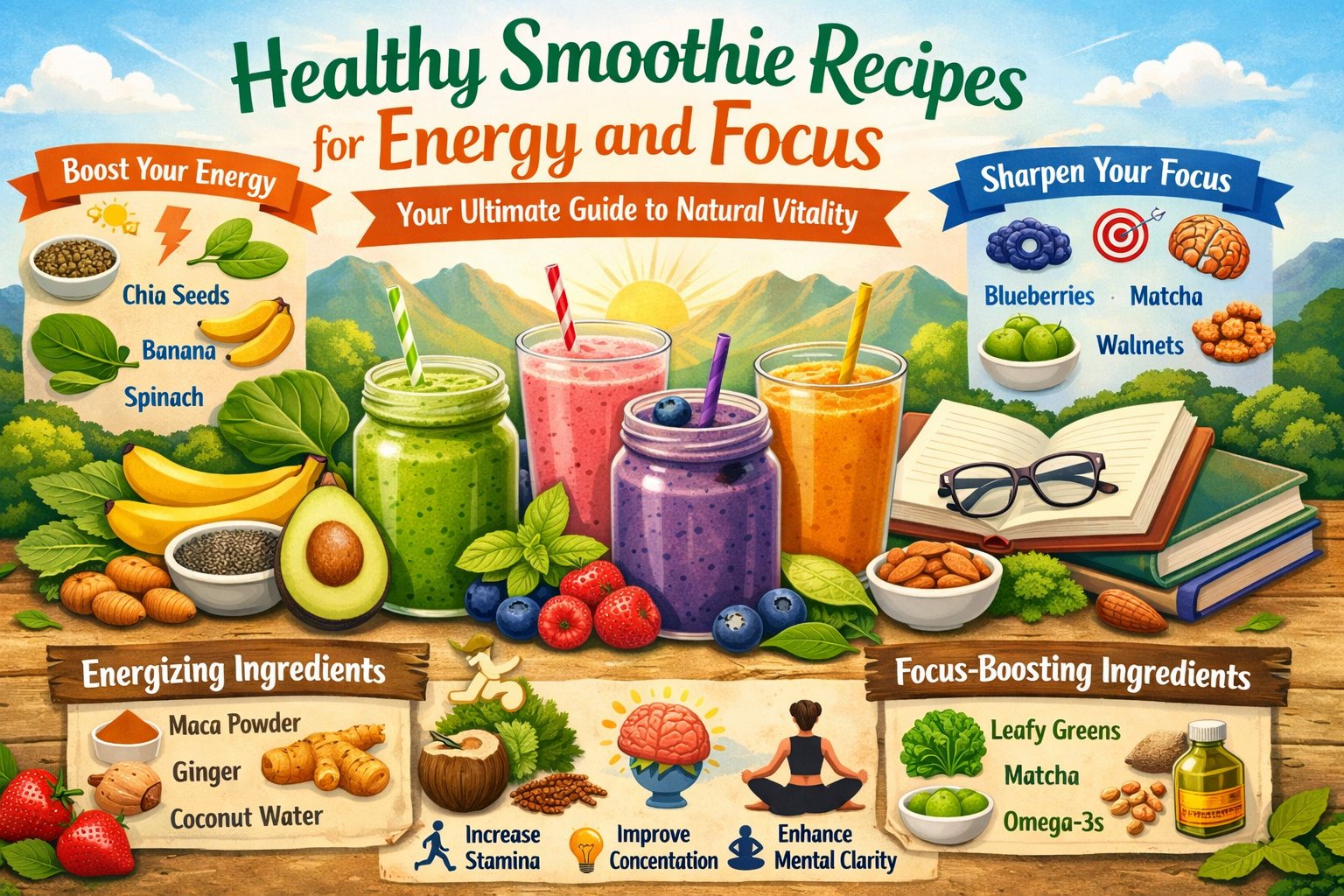

Be honest — how many times have you hit that 2pm wall and reached straight for a third cup of coffee? Or woken up in the morning feeling foggy, sluggish, and completely unprepared to face the day? If that sounds familiar, you’re not alone. It’s one of the most common things people talk about when it comes to daily health.
And here’s the thing: the fix might be sitting in your blender.
Healthy smoothies made with the right ingredients are one of the most powerful, underrated tools for boosting energy and mental focus — naturally, without the caffeine crash, without the jittery feeling, and without spending a fortune on supplements. The trick is knowing what to put in them and why it works.
This guide is going to walk you through everything. From the science behind which ingredients actually support brain function and sustained energy, to step-by-step recipes you can start making tomorrow morning. Whether you’re brand new to smoothies or you’ve been making the same banana-and-milk blend for years, there’s something here for you.
Let’s get blending.
Why Smoothies Are Such a Powerful Tool for Energy and Focus
Before we dive into the recipes, let’s talk about why this actually works — because understanding the “why” makes it much easier to stick with any new habit.
Energy and mental focus are deeply connected to what you eat. Your brain runs almost entirely on glucose, but the quality of that fuel matters enormously. A candy bar gives you glucose fast — and drops you just as fast. Whole foods, on the other hand, deliver nutrients steadily, support neurotransmitter production, reduce inflammation, and keep blood sugar stable.
Smoothies are uniquely good at this because:
- They’re easy to absorb — blending breaks down cell walls, making nutrients more bioavailable.
- They let you combine multiple ingredients that work synergistically.
- They’re quick to make, so you’re more likely to actually do it.
- They work as a full meal or a snack, depending on what you put in them.
And here’s a point worth making early: not all smoothies are created equal. A smoothie loaded with fruit juice, flavored yogurt, and honey is basically a dessert in disguise. The recipes in this guide are built around ingredients that have real, evidence-based benefits — nothing exotic or expensive, nothing that sounds like a late-night infomercial.
The Key Ingredients for Energy and Focus
Before we get to the recipes themselves, let me walk you through the building blocks. Think of this as your smoothie toolkit — once you know these, you can mix and match to suit your taste and goals.
1. Leafy Greens — The Most Underrated Base
Spinach, kale, Swiss chard. I know — not exactly exciting. But hear me out.
Leafy greens are loaded with magnesium, a mineral that plays a direct role in energy production at the cellular level. They’re also rich in folate, which supports brain health and helps reduce mental fatigue. And when blended well, spinach in particular is almost completely tasteless — it disappears into a smoothie without you noticing.
Start with spinach if you’re new to green smoothies. It’s mild, blends smoothly, and pairs well with almost everything.
2. Bananas — Natural Energy and Instant Creaminess
Bananas are a smoothie staple for good reason. They provide fast-acting carbohydrates that your brain and muscles love, plus potassium for electrolyte balance and vitamin B6, which is essential for the production of serotonin and dopamine — the neurotransmitters behind mood, motivation, and focus.
Frozen bananas are even better — they make your smoothie thick and creamy without needing ice cream or heavy dairy. Keep a bag of frozen banana slices in your freezer at all times. Future you will be grateful.
3. Nut Butters — Steady Energy That Lasts
Almond butter, peanut butter, cashew butter — these add healthy fats and protein that slow down the absorption of sugars in your smoothie. That means no energy spike and crash. Instead, you get a slow, steady release of fuel that keeps you going for hours.
One tablespoon is usually enough. And beyond the functional benefits, nut butter makes smoothies taste rich and satisfying in a way that plain fruit just doesn’t.
4. Seeds — Small but Mighty
Chia seeds and flaxseeds are two of the most nutrient-dense things you can add to a smoothie. Both are rich in omega-3 fatty acids, which are directly linked to brain health, reduced brain fog, and better cognitive function over time. Chia seeds also absorb liquid and expand, which helps keep you feeling full.
Hemp seeds are another excellent option — they’re a complete protein source, meaning they contain all nine essential amino acids. One tablespoon of hemp seeds thrown into your morning smoothie adds real nutritional value without changing the flavor much at all.
5. Adaptogens — Natural Stress and Focus Boosters
Here’s where it gets interesting. Adaptogens are a class of plants and mushrooms that help the body adapt to stress and support cognitive performance. They’ve been used in traditional medicine for centuries and are now backed by a growing body of research.
A few worth knowing about for smoothies:
- Ashwagandha — reduces cortisol (the stress hormone), supports focus and sustained energy. Has a mild earthy flavor; pairs well with cacao or nut butter.
- Maca root powder — traditionally used for energy and endurance. Has a slightly malty, caramel-like taste that works beautifully in smoothies.
- Lion’s Mane mushroom powder — perhaps the most studied adaptogen for mental clarity and focus. It supports nerve growth factor production in the brain. Mild flavor, easy to blend in.
Start with small amounts (half a teaspoon) until you know how your body responds. These aren’t magic bullets, but for many people, consistent daily use makes a noticeable difference over weeks.
6. Cacao — Not Just for Dessert
Raw cacao powder (not the same as sweetened cocoa powder) is genuinely impressive. It contains theobromine, a natural stimulant that provides gentle, sustained energy without the jitteriness of caffeine. It’s also rich in flavonoids that improve blood flow to the brain, directly supporting focus and cognitive performance.
Plus, it makes your smoothie taste like chocolate. Hard to argue with that.
7. Berries — Antioxidant Powerhouses
Blueberries, in particular, have been studied extensively for their cognitive benefits. The antioxidants in blueberries — especially anthocyanins — have been shown to improve memory, reduce brain fog, and support long-term brain health. They’re also low in sugar compared to many other fruits.
Strawberries, raspberries, and blackberries round out the berry family with their own antioxidant profiles and vitamin C content, which plays a role in neurotransmitter synthesis.
Frozen berries work just as well as fresh and are usually more affordable year-round.
6 Healthy Smoothie Recipes for Energy and Focus
Okay — let’s get to the good part. These recipes are organized by goal and time of day, so you can choose what fits your needs best.
Recipe 1: The Morning Kickstart Green Smoothie
Best for: Waking up your brain before work or school Prep time: 5 minutes
This is the smoothie that converts skeptics. The spinach disappears completely, and what you get is a bright, fruity drink that tastes nothing like “health food.”
Ingredients:
- 1 large handful of fresh spinach (about 2 cups)
- 1 frozen banana
- ½ cup frozen mango chunks
- 1 cup unsweetened almond milk
- 1 tablespoon chia seeds
- 1 teaspoon maca powder (optional but recommended)
- Juice of half a lime
Blend until smooth. If too thick, add a splash more almond milk. The mango and lime give it brightness and energy-forward flavor; the maca adds a subtle caramel undertone without overpowering anything.
Why it works: Spinach delivers magnesium, the banana fuels your brain with B6 and quick carbs, and the maca supports natural energy levels without caffeine.
Recipe 2: The Deep Focus Brain Booster
Best for: Before a work session, studying, or any mentally demanding task Prep time: 5 minutes
This one is built specifically around cognitive performance. It’s richer and darker than the first, almost like a dessert smoothie — but every ingredient earns its place.
Ingredients:
- 1 cup frozen blueberries
- 1 frozen banana
- 1 tablespoon almond butter
- 1 tablespoon raw cacao powder
- 1 cup oat milk or coconut milk
- ½ teaspoon Lion’s Mane mushroom powder (optional)
- 1 tablespoon hemp seeds
- A pinch of sea salt
Blend until completely smooth. The sea salt amplifies the chocolate flavor — this is a tip borrowed from professional pastry chefs.
Why it works: Blueberries feed your brain antioxidants that directly support memory and focus. Cacao improves blood flow to the brain. Lion’s Mane (if you use it) supports neurological function over time. Hemp seeds provide complete protein for sustained mental clarity.
Recipe 3: The Afternoon Energy Revival
Best for: That 2–3pm slump when you’d normally reach for coffee Prep time: 5 minutes
Instead of your third coffee, try this. It’s light, refreshing, and gives you a real lift without keeping you awake at night.
Ingredients:
- 1 cup frozen strawberries
- ½ frozen banana
- 1 cup coconut water (not coconut milk — the lighter one)
- 1 tablespoon flaxseeds
- ½ teaspoon ashwagandha powder
- 1 tablespoon Greek yogurt (for creaminess and protein)
- Small handful of fresh mint leaves
Blend until smooth. The mint makes this feel like a drink, not a supplement.
Why it works: Coconut water replenishes electrolytes, which is often why afternoon fatigue hits — mild dehydration. Strawberries and banana stabilize blood sugar. Ashwagandha helps regulate cortisol, which peaks in the afternoon and can zap your focus.
Recipe 4: The Pre-Workout Power Smoothie
Best for: Before exercise — gym, running, cycling, or any physical activity Prep time: 5 minutes
This one is designed to fuel your body and mind for physical performance. It’s higher in carbs and protein than the others, intentionally.
Ingredients:
- 1 frozen banana
- ½ cup rolled oats
- 1 tablespoon peanut butter
- 1 cup whole milk or fortified plant milk
- 1 tablespoon honey
- ½ teaspoon cinnamon
- 1 scoop plain protein powder (optional)
- 4–5 ice cubes
Blend until smooth and thick. Drink 30–60 minutes before your workout.
Why it works: Oats provide slow-release carbs that fuel long workouts. Peanut butter adds healthy fat and protein. Cinnamon helps regulate blood sugar and has mild anti-inflammatory properties. The banana tops up glycogen stores fast.
Recipe 5: The Anti-Stress Calming Focus Blend
Best for: Days when anxiety or stress is getting in the way of focus Prep time: 5 minutes
Focus isn’t just about energy — sometimes it’s about calming down enough to concentrate. This smoothie is built for those days.
Ingredients:
- 1 cup frozen cherries (tart cherries if you can find them)
- ½ frozen banana
- 1 tablespoon almond butter
- 1 cup chamomile tea, brewed and cooled (instead of milk)
- 1 tablespoon chia seeds
- ½ teaspoon ashwagandha
- 1 teaspoon honey
- A few drops of vanilla extract
Brew the chamomile tea in advance and refrigerate it. Then blend everything together.
Why it works: Tart cherries contain melatonin precursors and have anti-inflammatory properties. Chamomile has mild anxiolytic (anti-anxiety) effects. Ashwagandha manages cortisol. Together, they create a calm, centered state — the kind of focus that doesn’t feel forced or wired.
Recipe 6: The Tropical Immunity and Vitality Smoothie
Best for: When you need an overall reset — tired, run-down, or fighting off a cold Prep time: 5 minutes
This one is bright, refreshing, and loaded with vitamins. It tastes like a vacation.
Ingredients:
- ½ cup frozen pineapple chunks
- ½ cup frozen mango
- 1 small orange, peeled
- 1 thumb-sized piece of fresh ginger
- ½ teaspoon fresh or ground turmeric
- 1 cup coconut water
- 1 tablespoon chia seeds
- Juice of half a lemon
Blend until completely smooth. Ginger and turmeric can be intense — start with smaller amounts if you’re not used to them and adjust to taste.
Why it works: Pineapple contains bromelain, an enzyme with anti-inflammatory effects. Ginger supports circulation and digestion. Turmeric contains curcumin, one of the most studied anti-inflammatory compounds in nature. The vitamin C from orange and lemon supports immune function and, interestingly, plays a role in dopamine and norepinephrine synthesis — neurotransmitters that affect energy and alertness.
Practical Tips to Get the Most Out of Your Smoothies
A few things that make the difference between a habit that sticks and one that fades after two weeks:
Prep your ingredients in advance. Spend 15 minutes on Sunday portioning smoothie ingredients into freezer bags. Each bag becomes one smoothie — just dump it in the blender, add liquid, and go. This removes almost all friction from the morning routine.
Always add protein and fat. A smoothie made only of fruit is basically juice with texture. Without protein and fat to slow things down, your blood sugar will spike and crash quickly. Nut butter, seeds, Greek yogurt, and protein powder all help.
Start simple. If you’ve never made smoothies before, don’t start with seven ingredients and three adaptogens. Make the first recipe in this guide for a week. Build confidence, then start experimenting.
Buy frozen instead of fresh. Frozen fruits and vegetables are picked at peak ripeness and flash-frozen immediately — they retain more nutrients than fresh produce that’s been sitting in a warehouse. And they’re almost always cheaper.
Invest in a decent blender. You don’t need a thousand-dollar machine, but a very cheap blender will leave your smoothies grainy and inconsistent. A mid-range blender in the $60–$100 range handles most smoothie tasks well and lasts for years.
Who Should Be Making These Smoothies?
Honestly? Anyone who wants more energy and clearer thinking without relying entirely on caffeine and processed snacks.
But these recipes are especially well-suited for:
- Students and remote workers who need sustained cognitive focus throughout the day.
- People who skip breakfast — a smoothie takes less time than making eggs and is easier to consume on the go.
- Anyone who feels constantly tired despite getting adequate sleep, which is often a sign of nutritional gaps.
- Fitness enthusiasts looking for natural pre-workout fuel.
- Busy parents who want something fast, filling, and actually nutritious for themselves and their kids.
And here’s something worth saying: these aren’t a replacement for a balanced diet, good sleep, hydration, and movement. They’re a complement. A powerful, delicious complement — but not magic. Anyone promising you a smoothie that fixes everything is overselling it.
What they will do, consistently, is give your body and brain better raw material to work with. And over time, that adds up.
Final Thoughts: Your Blender Might Change Your Mornings
Let’s recap what we covered:
The right smoothie ingredients — leafy greens, nut butters, seeds, berries, cacao, adaptogens — work together to support your body’s natural energy systems and brain function. The recipes here aren’t complicated, don’t require exotic ingredients, and take about five minutes to make.
The real key is consistency. One green smoothie won’t transform your energy levels. But a month of starting your mornings with real, intentional nutrition? That’s where people start to notice actual changes in how they feel.
So — which recipe are you going to try first? Are you a morning person who needs the kickstart, or are you battling that afternoon slump? Tell me in the comments, I genuinely want to know.
And if you’ve got a smoothie combination you swear by — a personal recipe, something weird that actually works, or a family trick — share it below. Some of the best ideas I’ve come across came from readers just like you.
Got a topic you’d like me to cover next? Drop it in the comments and it might become the next guide.