
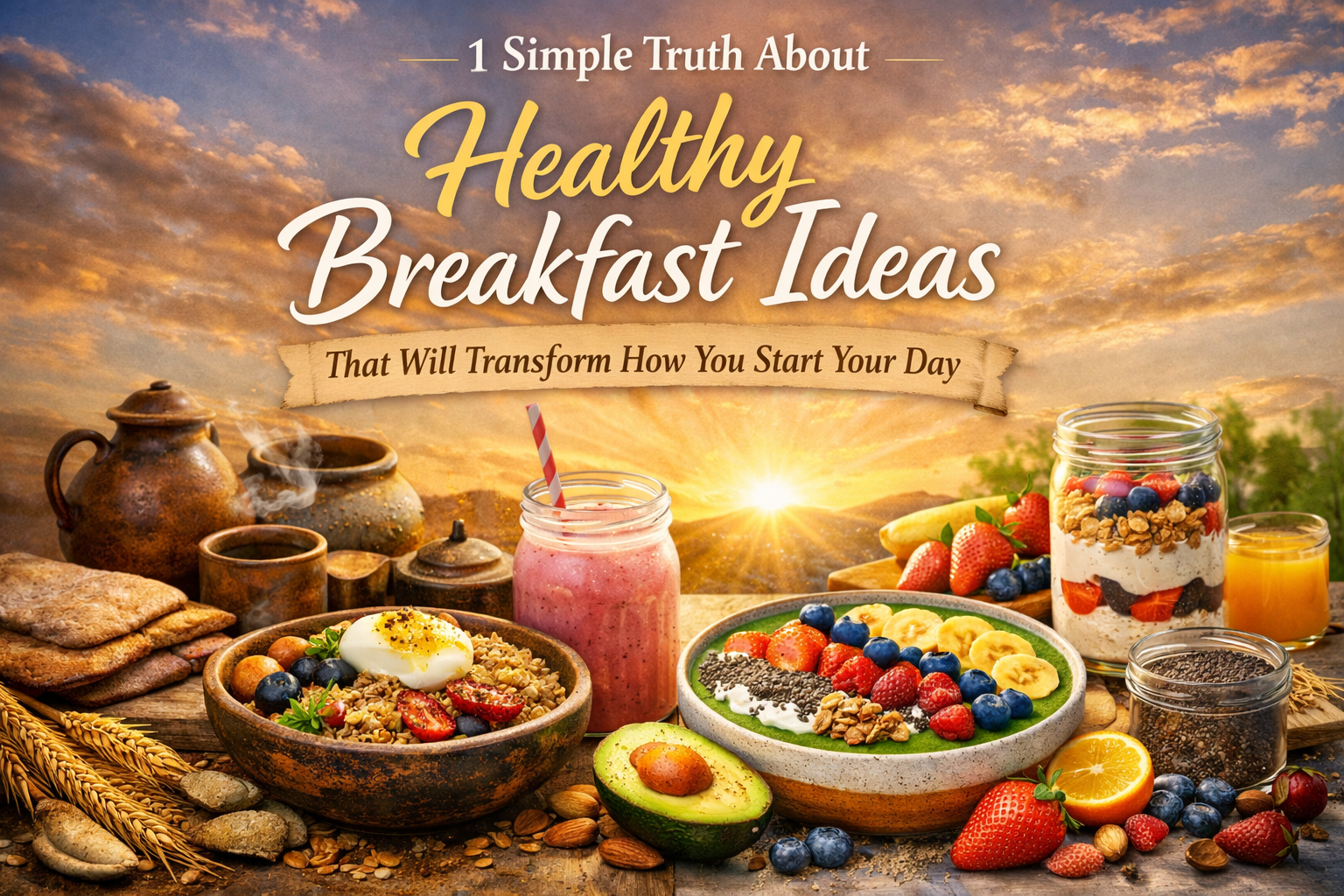
Why Your First Meal of the Day Matters More Than You Think
You’ve probably heard it a hundred times: “Breakfast is the most important meal of the day.” And while that phrase might feel a little overused at this point, the science behind it is harder to ignore than ever. The truth is, what you eat — or don’t eat — in those first hours of the morning sets the tone for everything that follows. Your energy levels, your mood, your ability to concentrate, even the choices you make later in the day about food and exercise — all of it is influenced by what happens at the breakfast table.
But here’s the thing: most people either skip breakfast entirely, grab something ultra-processed on the way out the door, or eat the same boring bowl of cereal every single day without giving it much thought. Sound familiar?
If you’ve ever found yourself hitting a wall of fatigue by 10 a.m., reaching for a second (or third) cup of coffee before noon, or feeling irritable and unfocused by mid-morning, there’s a good chance your breakfast — or lack thereof — is playing a role.
The good news? You don’t need to become a nutritionist or spend hours in the kitchen to start your day with a meal that truly fuels your body and mind. Healthy breakfast ideas can be simple, fast, delicious, and deeply satisfying. Whether you have five minutes or thirty, whether you’re a savory fan or a sweet tooth, there’s a nutritious morning option out there that fits your lifestyle.
In this article, we’re going to take a deep dive into the world of healthy breakfasts. We’ll explore the history and cultural meaning behind the morning meal, share practical and inspiring ideas for every kind of eater, and answer the most common questions people have about building a better breakfast routine. By the time you reach the end, you’ll have everything you need to make mornings not just manageable — but genuinely something to look forward to.
Let’s get started.
A Brief History of Breakfast — From Ancient Grains to Modern Smoothie Bowls
The Ancient World: Eating to Survive
To understand why breakfast matters so much today, it helps to look back at how humanity’s relationship with the morning meal has evolved over thousands of years.
The Ancient World: Eating to Survive
In ancient civilizations, eating in the morning wasn’t about nutrition science — it was about survival and practicality. The ancient Egyptians, for example, began their days with bread made from emmer wheat, often accompanied by beer (yes, beer — though it was a thick, low-alcohol grain beverage quite unlike what we know today). The Greeks typically ate a light morning meal called ariston, which consisted of bread dipped in wine or olive oil, sometimes with figs or olives on the side.
Roman soldiers were known to eat a morning meal of grain porridge called puls, packed with enough calories and carbohydrates to sustain long marches and physical labor. In many ways, these ancient people intuitively understood something that modern nutrition science has confirmed: starting the day with complex carbohydrates and fats provides the kind of sustained energy that pure sugar cannot.
The Middle Ages: Breakfast Was for Workers
During the medieval period in Europe, attitudes toward breakfast were surprisingly divided along class lines. For the nobility and the clergy, eating immediately upon waking was sometimes considered a sign of weakness or gluttony — it was thought that respectable people could wait until midday for their first meal. For peasants and laborers, however, breakfast was a necessity. You couldn’t plow fields or carry stones on an empty stomach. A typical peasant’s morning meal might consist of dark bread, pottage (a thick vegetable soup or stew), and perhaps some hard cheese or salted fish.
This class distinction around breakfast is fascinating because it shows how deeply intertwined food and culture have always been. What, when, and how much you ate in the morning said something about who you were and what your life looked like.
The Industrial Revolution: Breakfast Gets Reinvented
Everything changed during the 19th century. As industrialization swept through Europe and North America, millions of people moved from rural agricultural work to factory-based labor. The rhythms of daily life shifted dramatically, and breakfast adapted with them.
It was also during this period that two American brothers — John Harvey Kellogg and Will Keith Kellogg — began experimenting with processed cereal grains as a health food at a sanitarium in Battle Creek, Michigan. Their work led directly to the invention of cornflakes and, eventually, the birth of the modern breakfast cereal industry. For better or worse, packaged cereal became a staple of the American morning table throughout the 20th century — convenient, affordable, and aggressively marketed to families.
Around the same time, the classic American “big breakfast” — eggs, bacon, toast, orange juice — was being shaped by heavy lobbying from the meat and dairy industries, particularly through the efforts of Edward Bernays, a public relations pioneer hired by bacon producers to convince Americans that a hearty breakfast was not just normal but essential to good health.
The 21st Century: A Return to Whole, Intentional Eating
Today, we’re living through yet another transformation in how people think about the morning meal. Driven by growing interest in nutrition science, sustainability, and personal wellness, many people are moving away from processed breakfast foods and toward whole, nutrient-dense options. Smoothie bowls, overnight oats, avocado toast, grain-free granola, fermented foods like kefir and yogurt — these are the breakfast symbols of a generation that is more informed and more intentional about food than perhaps any that came before.
Social media has played a huge role in this shift. Platforms like Instagram and Pinterest turned breakfast into something almost artistic — beautiful, colorful bowls of açaí, elegantly arranged fruit plates, and steaming mugs surrounded by fresh herbs have made healthy eating aspirational in a way it never was before. And while aesthetics shouldn’t be the main reason we eat well, if a gorgeous photograph of a chia seed pudding inspires someone to skip the drive-through and make something nourishing at home, that’s a genuinely good outcome.
Understanding this history reminds us that breakfast is never just about food. It’s about culture, circumstance, values, and how we choose to take care of ourselves. The fact that we’re talking about “healthy breakfast ideas” at all reflects a meaningful evolution in human awareness.
The Best Healthy Breakfast Ideas — Tips, Recipes, and Strategies for Every Type of Morning
Now that we’ve laid the groundwork, let’s get into the practical heart of this article: what should you actually eat in the morning, and how do you make it work in real life?
Understanding What Makes a Breakfast “Healthy”
Before diving into specific ideas, it’s worth clarifying what we mean by “healthy” in this context. A nutritious breakfast generally contains a balance of:
- Complex carbohydrates — for sustained energy (oats, whole grain bread, sweet potato, fruit)
- Protein — for satiety and muscle support (eggs, Greek yogurt, legumes, nut butters)
- Healthy fats — for brain function and hormone health (avocado, nuts, seeds, olive oil)
- Fiber — for digestive health and blood sugar regulation (vegetables, whole grains, seeds)
- Micronutrients — vitamins and minerals from a variety of colorful, whole foods
A breakfast dominated by refined sugars and simple carbohydrates (think a large glass of juice, a white-flour muffin, or a sugar-coated cereal) will spike your blood glucose quickly and leave you crashing before lunchtime. A balanced breakfast, on the other hand, provides a steadier release of energy and keeps you feeling full and focused for hours.
Healthy Breakfast Ideas for When You Have 5 Minutes
Life is busy. Some mornings, getting out the door is already a miracle. Here are some options that take almost no time at all but are still genuinely nutritious.
1. Greek Yogurt with Berries and Seeds Plain Greek yogurt is a protein powerhouse — a single cup can contain 15–20 grams of protein. Add a handful of fresh or frozen berries for antioxidants and a sprinkle of flaxseeds or chia seeds for omega-3s and fiber. Total prep time: 2 minutes. Total nutrition: exceptional.
2. Whole Grain Toast with Nut Butter and Banana Choose a 100% whole grain or sprouted grain bread. Spread generously with almond or peanut butter (look for natural varieties with no added sugar). Top with banana slices. This combination offers complex carbs, healthy fat, and protein — a nearly perfect quick breakfast.
3. A Smoothie This is where preparation the night before pays off. Pre-portion frozen spinach, frozen banana, and frozen berries into small bags or containers. In the morning, dump the contents into a blender with a scoop of protein powder, some unsweetened almond milk, and a tablespoon of almond butter. Blend for 60 seconds and go. You’ve just made a nutrient-dense breakfast in less time than it takes to make coffee.
4. Hard-Boiled Eggs Make a batch of hard-boiled eggs on Sunday evening and keep them in the fridge throughout the week. Grab two or three in the morning along with a piece of fruit and you have a complete, portable breakfast in seconds.
Healthy Breakfast Ideas for When You Have 15–30 Minutes
When you have a little more time, the options become even more satisfying.
5. Overnight Oats This is possibly the perfect healthy breakfast. Combine rolled oats with milk or a dairy-free alternative, a tablespoon of chia seeds, and your choice of toppings (berries, sliced almonds, a drizzle of honey, a spoonful of peanut butter). Mix it all together in a jar the night before, refrigerate overnight, and your breakfast is ready and waiting for you in the morning. Overnight oats are endlessly customizable — you can change the flavors every day of the week without ever getting bored.
6. Veggie Egg Scramble Dice up whatever vegetables you have on hand — bell peppers, spinach, onion, mushrooms, tomatoes — and sauté them briefly in a pan with a little olive oil. Add two or three beaten eggs and scramble until cooked through. Season with salt, pepper, and herbs. Serve with a slice of whole grain toast. This breakfast is rich in protein, vitamins, and minerals, and it’s different every time depending on what vegetables you use.
7. Avocado Toast with Poached Egg Yes, it’s become something of a cultural cliché at this point, but avocado toast became popular for a reason: it’s genuinely delicious and nutritious. Half an avocado on whole grain toast, topped with a perfectly poached egg, a pinch of flaky salt, red pepper flakes, and a squeeze of lemon juice. Few breakfasts are as satisfying.
8. Chia Seed Pudding Like overnight oats, chia pudding is prepared the night before. Mix 3–4 tablespoons of chia seeds with one cup of coconut milk or almond milk and a touch of maple syrup or vanilla. Stir well, refrigerate overnight, and in the morning you’ll have a thick, creamy pudding ready to top with fresh fruit, granola, or coconut flakes. Chia seeds are loaded with omega-3 fatty acids, fiber, and calcium.
9. Whole Grain Pancakes or Waffles (Batch-Cooked) Pancakes and waffles don’t have to be a weekend-only treat. Make a double or triple batch of whole grain pancakes on a Sunday, let them cool, and freeze them in individual portions between sheets of parchment paper. On weekday mornings, pop two in the toaster — just like a store-bought toaster waffle, but made from actual whole ingredients.
10. Savory Oatmeal If you’ve never tried savory oatmeal, this might change your entire breakfast game. Cook oats in vegetable or chicken broth instead of water. Top with a soft-boiled or fried egg, sautéed greens, sliced avocado, and a drizzle of soy sauce or hot sauce. It sounds unusual, but it is deeply satisfying and incredibly nutritious.
Tips for Building a Better Breakfast Habit
Knowing what to eat is only half the battle. The other half is making it happen consistently. Here are some strategies that actually work:
Meal prep on the weekend. Dedicate 30–45 minutes on Saturday or Sunday to prepping breakfast components for the week. Cook a batch of hard-boiled eggs. Make overnight oats. Portion out smoothie ingredients. Slice fruit. When morning arrives and you’re half-asleep, decisions are already made for you.
Keep the right things in your kitchen. You can’t make a healthy breakfast if the ingredients aren’t there. Stock your pantry with rolled oats, chia seeds, nut butters, whole grain bread, and canned beans. Keep frozen berries, spinach, and bananas in the freezer. With these basics on hand, a nutritious breakfast is always possible.
Eat something — even if it’s small. If you’re not a morning eater, don’t force yourself to sit down to a full meal. Even a small amount of food — a handful of nuts and a piece of fruit, for example — is better than nothing. Over time, your appetite in the morning tends to grow as your body adjusts to being fueled early in the day.
Don’t drink your calories from sugary sources. Orange juice, flavored coffee drinks, and commercial smoothies can contain as much sugar as a candy bar. If you want fruit in the morning, eat it whole — you’ll get the fiber along with the sugar, which slows absorption and keeps blood sugar stable.
Think of breakfast as an act of self-care. A shift in mindset can make a real difference. When you see breakfast not as an obligation or a chore but as the first kind thing you do for yourself each day, it becomes easier to prioritize.
Common Questions About Healthy Breakfasts — Answered Honestly
Even with the best intentions, people have a lot of questions when it comes to changing their breakfast habits. Let’s address the most frequent ones.
“Is it really that bad to skip breakfast?”
This depends on the person. Some people genuinely do well with intermittent fasting protocols that involve skipping breakfast, and the research on this is mixed. However, for most people — especially those who are physically active, have blood sugar regulation issues, or tend to overeat later in the day — skipping breakfast is associated with poorer energy levels, reduced cognitive function, and a higher likelihood of reaching for unhealthy foods by mid-morning or at lunch. If you choose to skip breakfast, it should be a deliberate, informed choice rather than a habit formed out of busyness or lack of planning.
“How much protein should a healthy breakfast contain?”
Most nutrition experts recommend aiming for at least 20–30 grams of protein at breakfast if possible. This amount has been shown to significantly improve satiety and reduce overall calorie intake throughout the day. High-protein breakfast options include eggs, Greek yogurt, cottage cheese, tofu, legumes, and protein powder.
“Are smoothies actually healthy, or are they just sugar bombs?”
Smoothies can be incredibly healthy — or they can be nutritional disasters. The difference lies in what goes in them. A smoothie made with leafy greens, unsweetened protein powder, a small amount of fruit, healthy fat from nut butter or avocado, and unsweetened milk is a fantastic breakfast. A smoothie from a commercial chain that contains multiple servings of fruit juice, sherbet, or flavored syrup can easily contain 60+ grams of sugar. Make your own whenever possible, and be mindful of the fruit-to-everything-else ratio.
“Is coffee okay as part of a healthy breakfast?”
Absolutely — in moderation. Black coffee or coffee with a small amount of unsweetened milk is perfectly compatible with a healthy morning routine. Caffeine can enhance focus and physical performance. The problems arise when coffee becomes a substitute for food (leaving you running on caffeine and adrenaline alone) or when it’s loaded with sugar and cream. A cup or two of quality coffee alongside a balanced breakfast is a perfectly reasonable choice for most healthy adults.
“What’s the best breakfast for weight loss?”
Rather than thinking in terms of a single “best” breakfast for weight loss, focus on meals that are high in protein and fiber, moderate in healthy fats, and low in added sugars. These qualities promote satiety and help regulate appetite throughout the day. Eggs, Greek yogurt, oatmeal, and vegetable-rich dishes consistently perform well in this regard. Importantly, consistency matters more than perfection — a moderate, balanced breakfast every day will always outperform an extreme detox breakfast done once in a while.
“My kids refuse to eat healthy in the morning. What can I do?”
Start small and involve them in the process. Kids who help prepare food are significantly more likely to eat it. Let them choose their toppings for oatmeal or yogurt. Make smoothies fun by letting them pick the fruit. Try mini egg muffins baked in a muffin tin — they’re portable, fun to eat, and endlessly customizable with vegetables hidden inside. And remember: it’s about gradual progress, not perfection. Even swapping one sugary cereal for a whole grain option is a meaningful step forward.
“I’m not hungry in the morning. Should I force myself to eat?”
You don’t need to force a full meal, but having something small is generally beneficial. A small handful of nuts, a boiled egg, or even a tablespoon of nut butter with a banana is better than going several hours on an empty stomach. Over time, as you consistently eat something in the morning, many people find their morning appetite naturally increases.
Building Mornings Worth Waking Up For
Throughout this article, we’ve traveled through the history of the morning meal, explored dozens of practical and delicious healthy breakfast ideas, and answered the questions that come up most often when people try to change their eating habits for the better.
The core message is simple: breakfast matters, and making it healthier doesn’t have to be complicated.
You now know that a nutritious breakfast includes a balance of protein, complex carbohydrates, healthy fats, and fiber. You have a toolkit of quick ideas for rushed mornings and more satisfying options for when you have extra time. You understand the value of meal prepping, of stocking the right ingredients, and of approaching the first meal of the day with intention rather than habit.
You also know the history — that humans have been fueling themselves at the start of the day for thousands of years, adapting their morning meals to fit their lives and their worlds. What we eat in the morning has always been a reflection of who we are and how we care for ourselves. In 2025, with more information and more options than ever before, we have an incredible opportunity to make that first meal genuinely nourishing.
The path to a better breakfast doesn’t require a complete lifestyle overhaul. It starts with one small change: swapping a sugary cereal for oatmeal, adding a boiled egg to your routine, making overnight oats the night before, or blending a quick smoothie with real whole-food ingredients. One change leads to another, and before long, a healthy breakfast becomes less of an effort and more of a pleasure.
So start tomorrow. Start small if you need to. But start.